When autumn hits, most homeowners face the same question: should I rake and remove my leaves, or just mulch them into the lawn?
The truth is — both methods can be right, depending on your yard, your trees, and your mower setup. Let’s look at what makes each approach work best.
Know Your Trees — Some Leaves Break Down Better Than Others
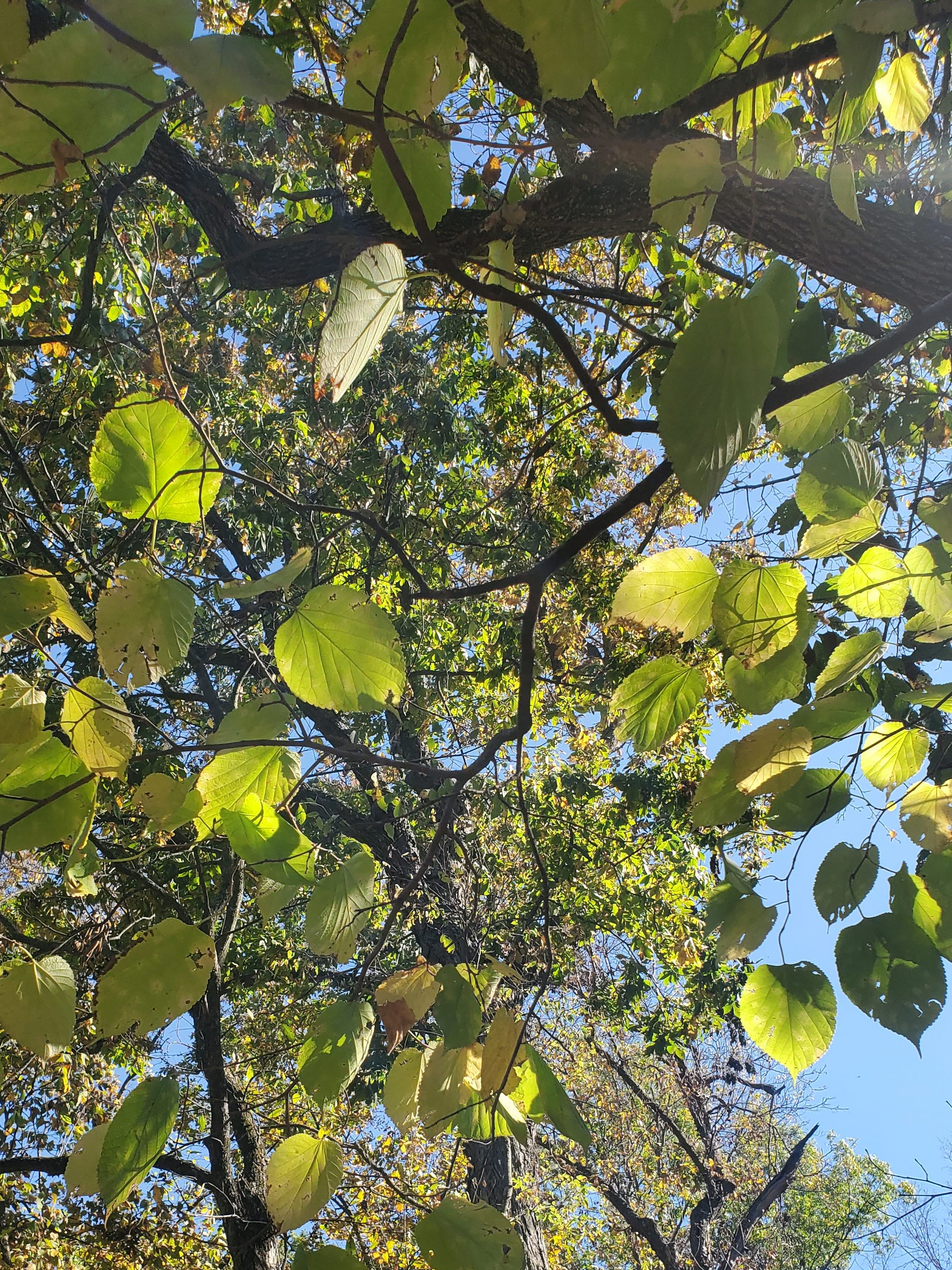
Not all leaves are created equal.
Some tree species have thin, soft leaves that decompose easily and even enrich your soil with nutrients. Others have thick, waxy, or acidic leaves that resist breaking down and can harm your grass.
Here’s a quick guide:
✅ Great for mulching:
- Maple
Ash
Birch
Poplar
Cherry
Elm
⚠️ Harder to break down, better to remove:
- Oak (acidic and leathery)
Hickory
Magnolia (waxy)
Beech
Sycamore
If your lawn is mostly covered by tougher leaves like oak or hickory, removing them is the better option.
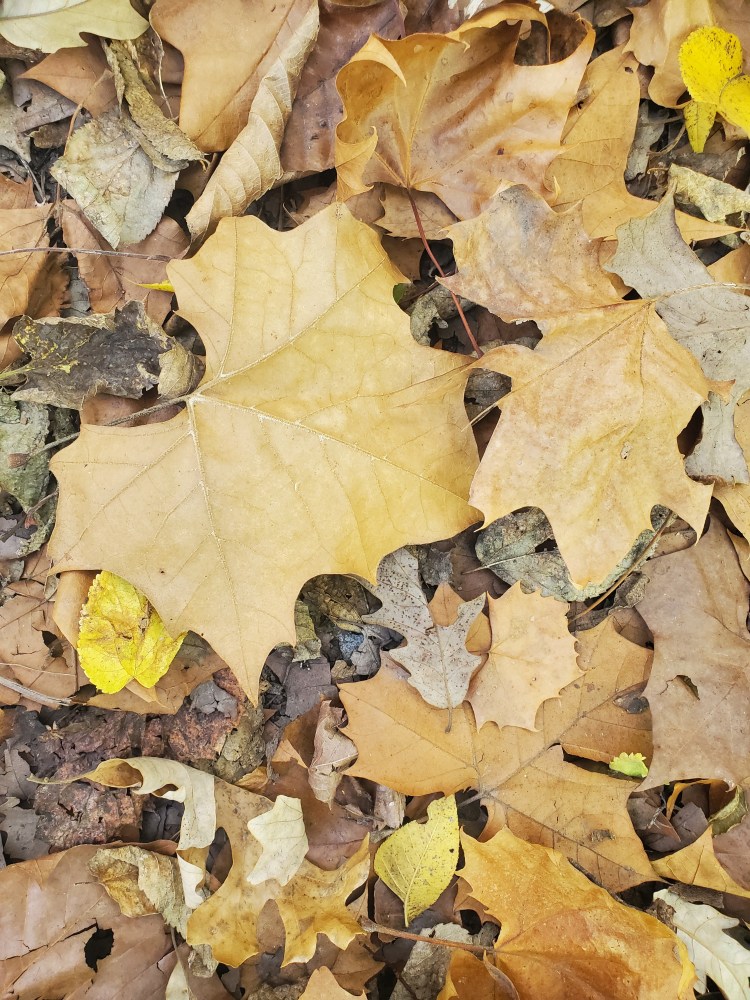
How to Mulch Leaves the Right Way
If your tree types allow it, mulching is efficient, natural, and fast — but it must be done correctly.
The goal: reduce each leaf to small pieces — about the size of a dime. This usually takes two to three passes with the mower. A sharp blade and dry leaves make all the difference. When you consider how much mowing effort this takes, or if you dont want to risk having to patch dead spots in the spring, just remove the leaves.
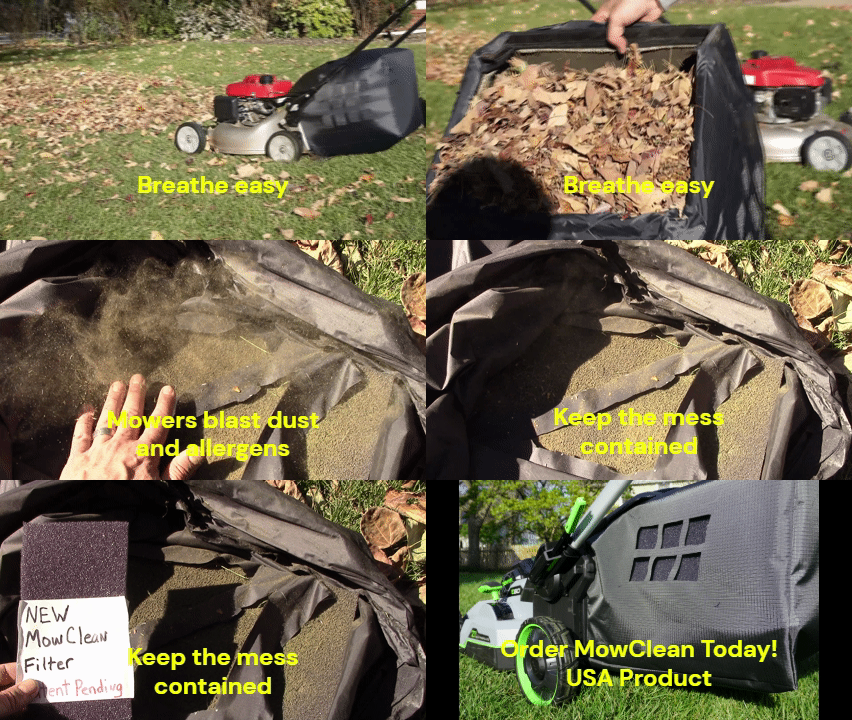
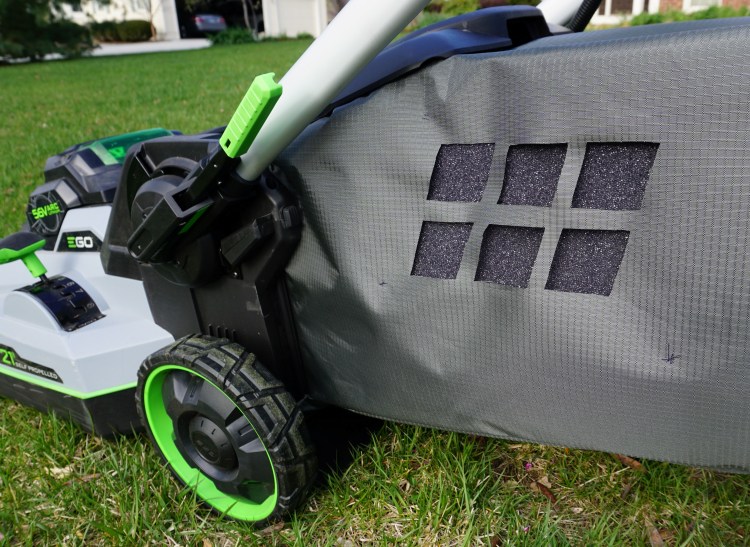
Tip: Drop your mower’s cutting height slightly lower than usual to help chop leaves more finely. If you’re using a mower bag, consider using a MowClean Bag Cover — it keeps fine leaf dust and debris inside the bag, protecting your lungs and keeping the air cleaner while you mow. Learn more here.
What Happens If Leaves Don’t Break Down?
If the leaves stay too large or thick, they can mat together and block sunlight and oxygen from reaching your grass.
This creates a soggy layer that smothers your lawn — and by spring, you may be looking at bare spots, dead patches, or mold growth.
Once the grass dies under the leaf mat, the only solution is to rake, dethatch, reseed, and nurture new growth — which means far more work (and expense) than simply managing your leaves properly in the fall.
Ways to Remove or Manage Leaves
If mulching isn’t the right option for your yard, there are several effective removal methods:
Rake and Bag – Traditional, but effective for small lawns or lighter leaf fall.
Mow and Bag – Run over the leaves with your mower and let the mower bag collect the debris.
For health and comfort, use a MowClean Bag Cover to trap the fine dust, pollen, and dirt that standard mower bags release.
Learn more or order yours at MowCleanBag.com.
Yard Vacuums or Leaf Vacuums – Great for large lawns or heavy tree cover; some can even mulch while vacuuming.
Hire Help – Lawn care services can remove leaves quickly, but be clear if you want them to remove the debris instead of simply mowing it in. Most will just mow your leaves and that will often leave you with patching and seeding work in the spring.
Bottom Line
If your trees produce soft, easily composted leaves — mulching can save time and enrich your soil.
But if your leaves are thick, wet, or layered deep, removal is best to protect your grass and prevent mold or dead patches.
Either way, mowing leaves kicks up fine dust and allergens — so protect yourself while you work.
The MowClean Bag Cover makes that job cleaner and safer, trapping what your regular mower bag can’t.
See how it works and watch the short demo video here.


 MowClean Lawn Mower Bag Cover, Cleaner Leaf Mowing, Less Dust